Lecture
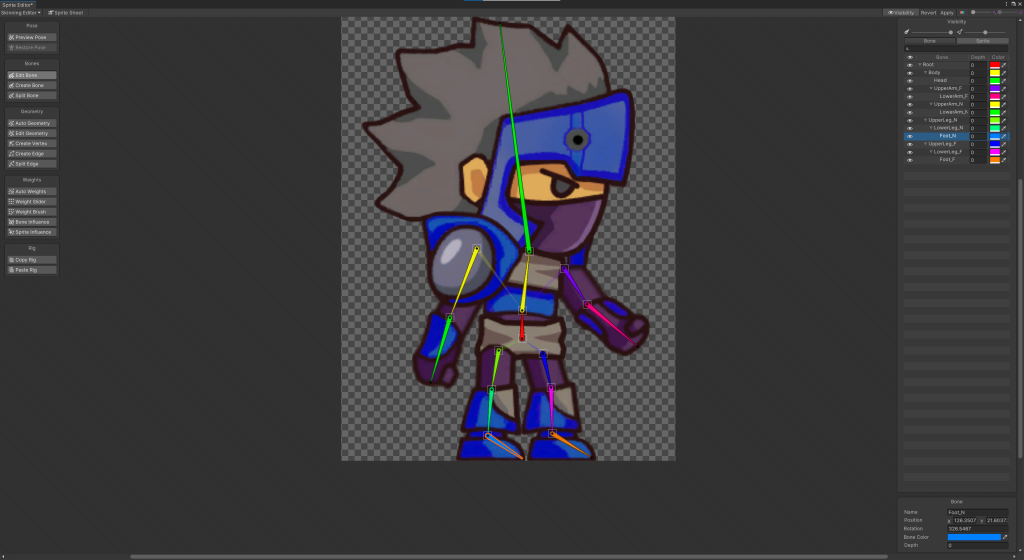
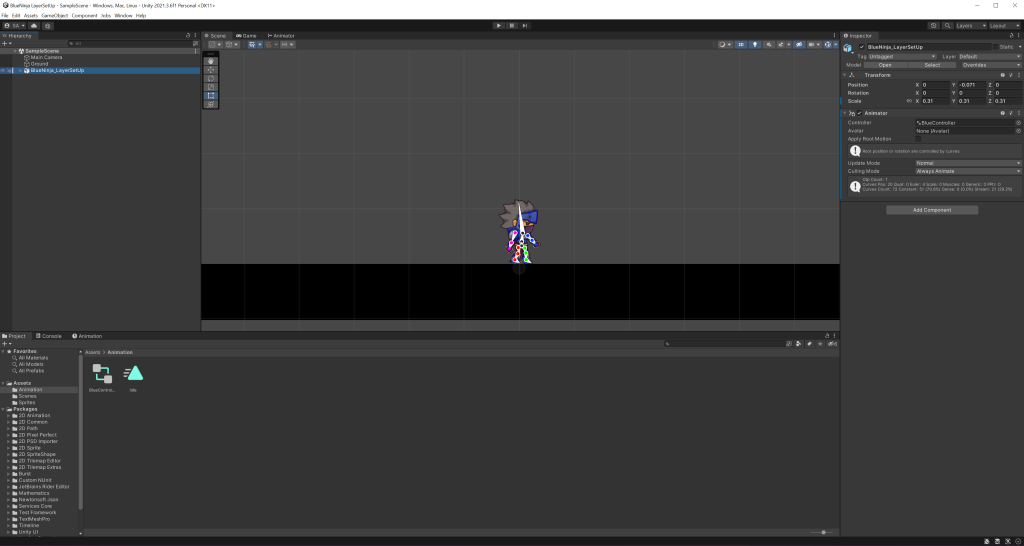
For that week, we were given an opportunity to learn about bone rigging and animation. I found this lesson very interesting and I wanted to know more about this type of animation because I like to learn how to animate and experiment with new functions I’ve yet to learn. From the last session, I have learned about pose to pose animation, squash and stretch animation, follow through, overlapping action and staging.
Next we then learn about other animation styles. One of them includes arcs. Arcs allow you to get natural fluid movement. This is affected by gravity, drag and mass. A second animation style is called secondary action. Secondary actions is used to compliment the primary action. For example on a character it would be the head, face, arms and hands.
I also know that there is something within animation called a slow in, slow out (this is when movement starts slowly and ends slowly.) because no living object instantly reaches top speed and stops at is lowest speed instantly. Furthermore, I know that timing relates with how many drawings in the animation the more drawings within an overlap animation the slower the animation and less overlapping drawings the faster the animation.
The third thing we learned is solid drawing. When creating solid drawings, weight, balance, and volume are applied to achieve a better drawing style. Also I have learned that it’s best to avoid twinning in most of the character design because it can make the character feel less life-like. Twinning is when you make a character symmetrical in its pose. Giving different straights and curves can make your character designs organic and realistic.
What I learned
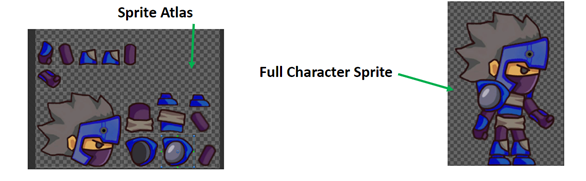
For that week’s lab session, I learned how to create and have experimented with bone rigging. I have received a sprite atlas and a full character sprite from canvas for the bone rigging to work.
I have followed a detailed guide for the bone rigging prosses. I learned how to apply bones to the sprite. It was a very interesting and fun prosses also experimenting with the movement of the character and creating milestones on a timeline. When you play the timeline the character moves if you marked the movement on the timeline. Overall I have learned how to rig bones onto character sprites, had fun with experimenting with the new features. I will also implement those techniques onto my future games.